Paradise
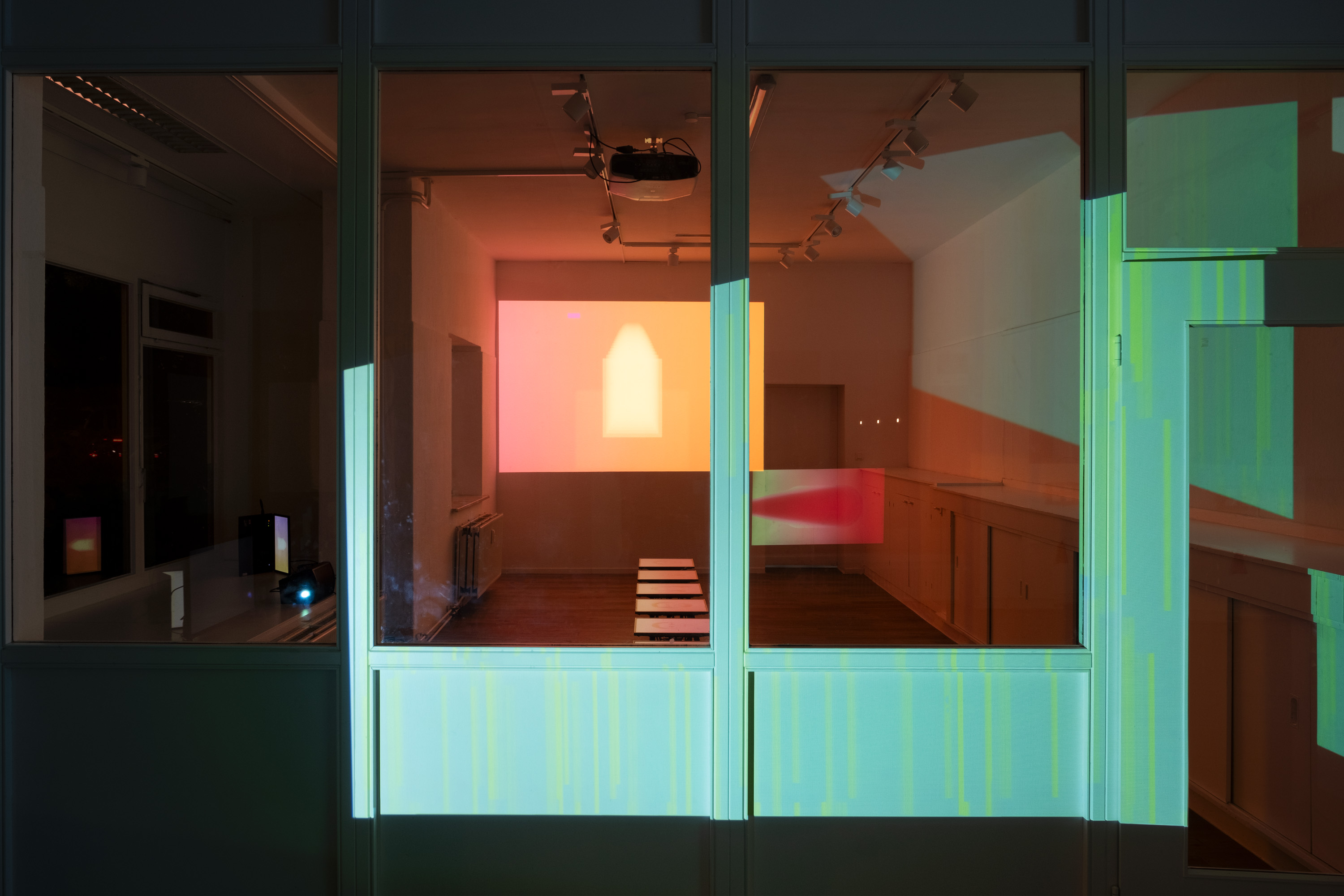
Project Description
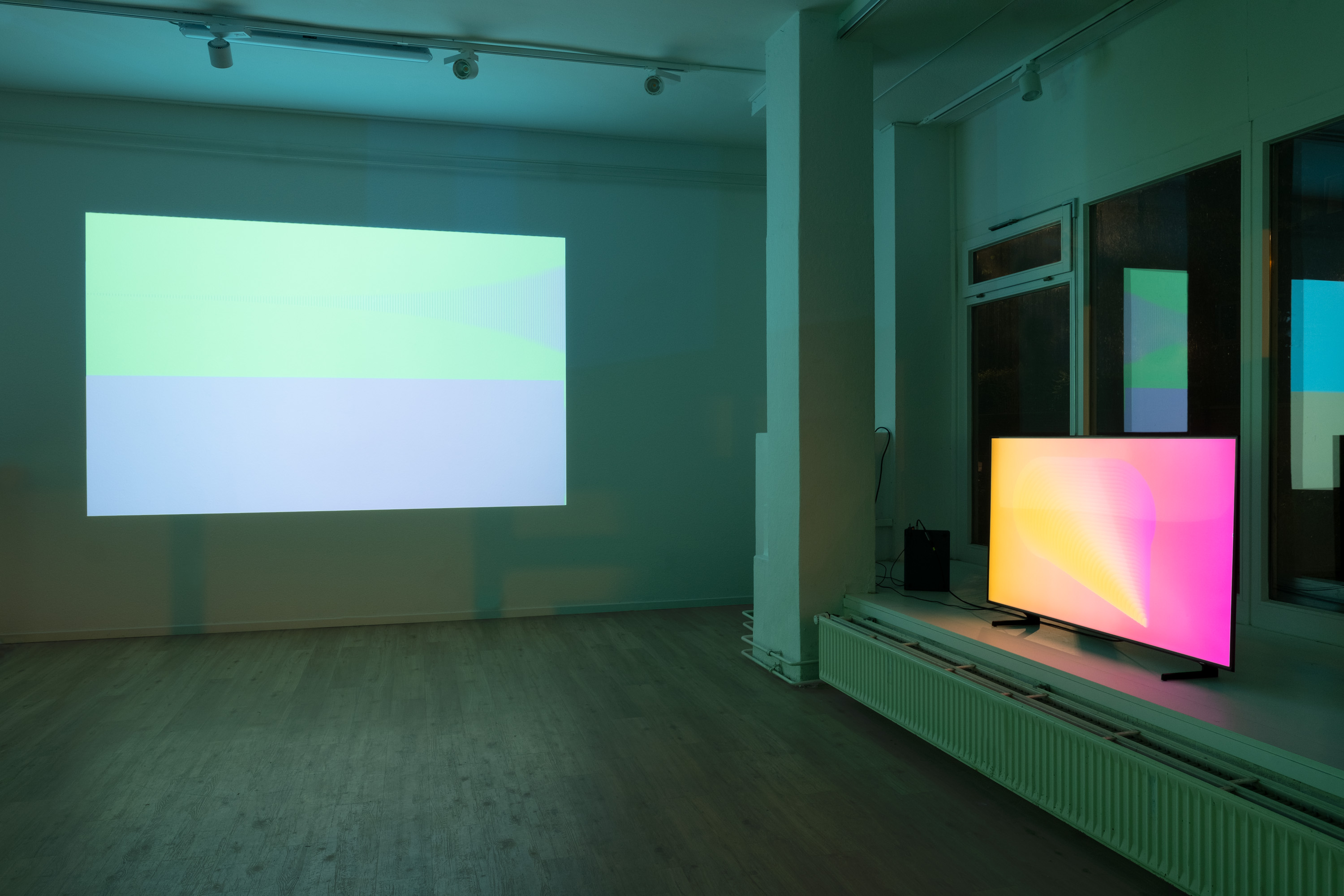
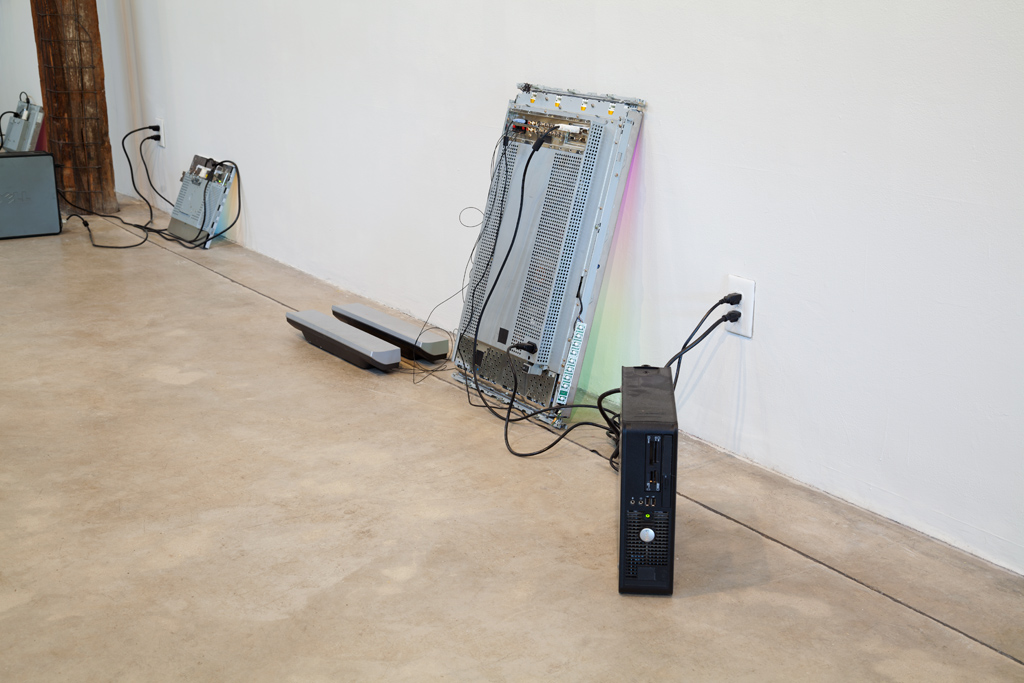
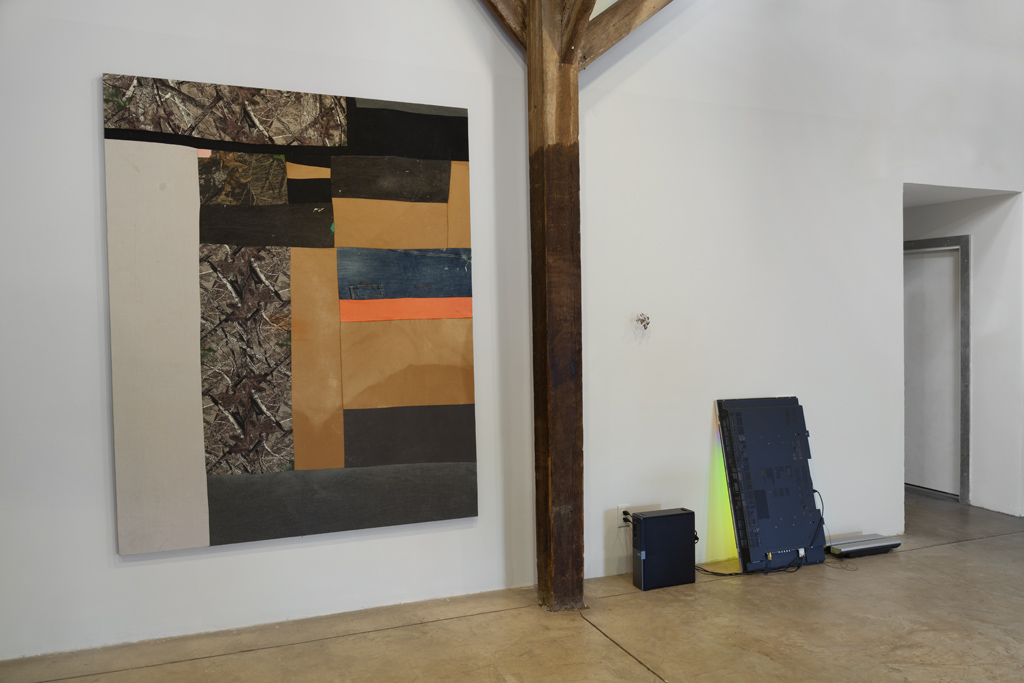
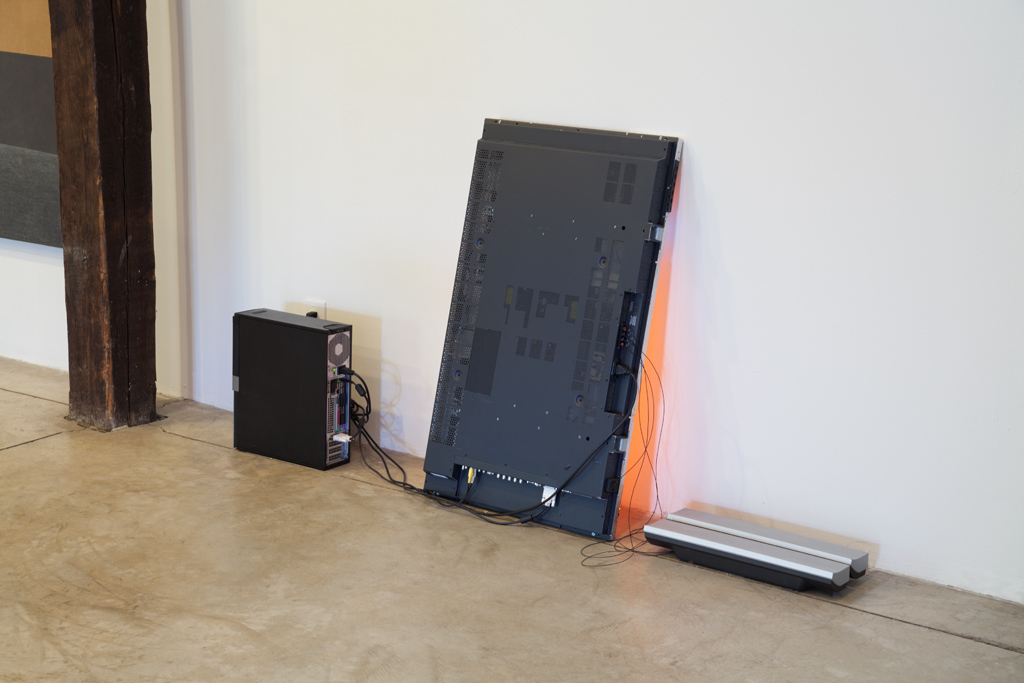
In this ongoing project, I deconstruct the architectures of template-based webpages and plugins, obfuscating their intended functions while fracturing, retooling, and revealing aspects of their underlying forms. I treat the structures of this software as material, reprogramming them to highlight features that would otherwise be imperceptible. Components designed for seamless user interaction—such as image carousels or button animations—are appropriated and recast as aesthetic systems rather than functional tools.
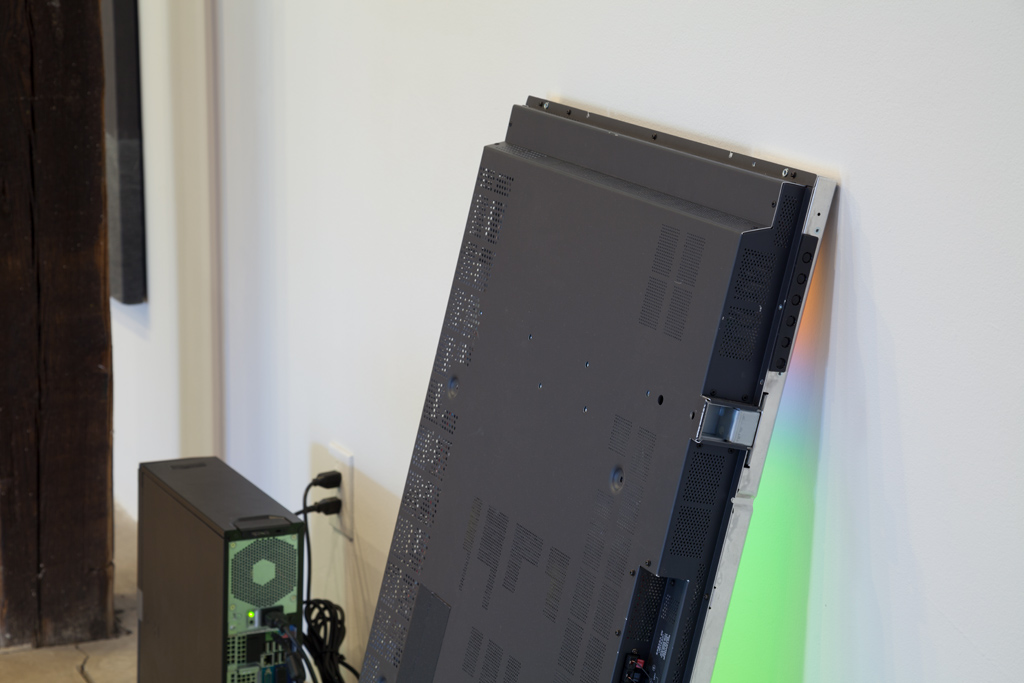
By pushing these systems beyond their intended parameters, their concealed mechanics become visible: transitions stretch into perceptible events, automated behaviors shed their gloss of efficiency, and familiar interface elements dissolve into gradients, color fields, and other forms of visual drift. These distortions draw attention to the internal logics we interact with daily yet rarely perceive, revealing the skeletal structures that support the illusion of smooth usability.
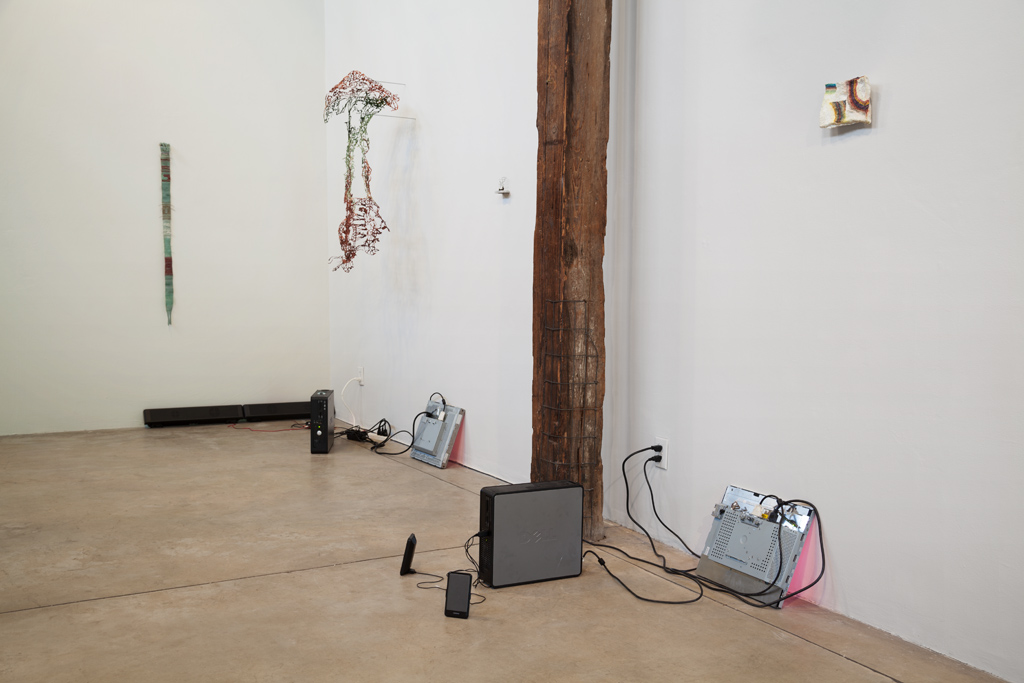
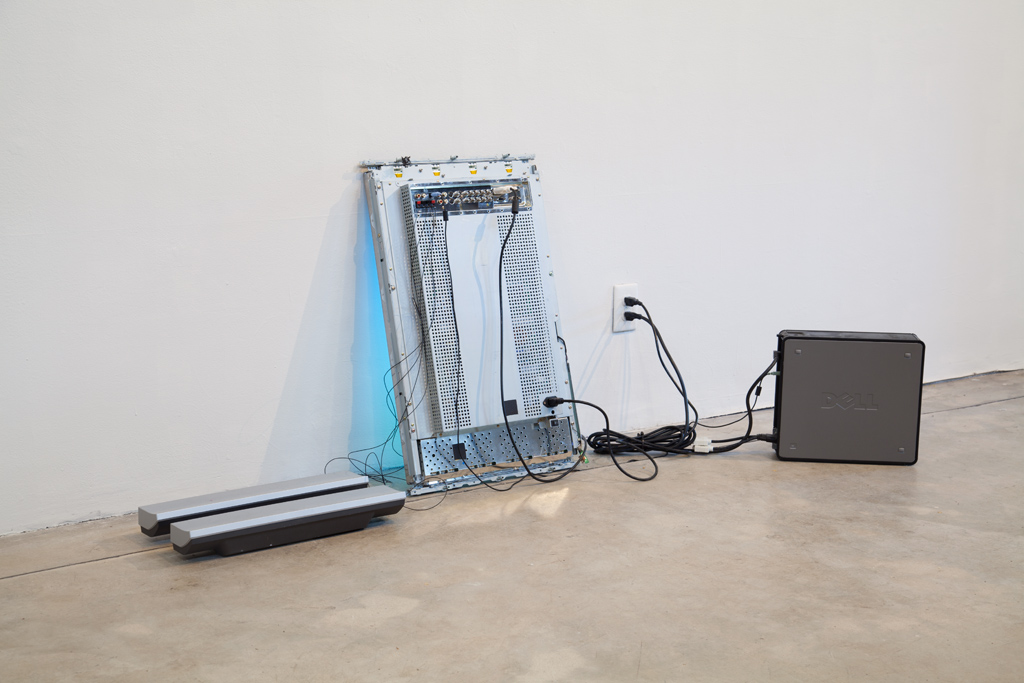
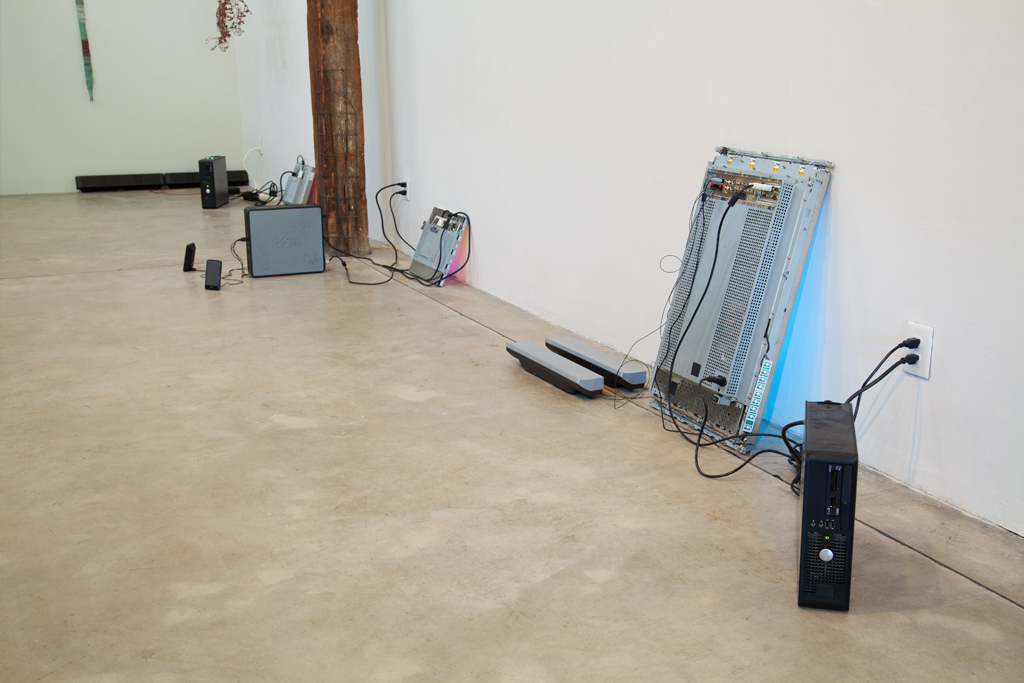
The works are accompanied by generative sound compositions created with my own boutique software, which adopts coding practices common in web development rather than frameworks used for standalone audio tools. My software takes tools designed for straightforward web-audio tasks—such as triggering a sound file or managing playback—and expands them into complex, algorithmic behaviors. In doing so, the system exposes traces of its own operational logic, allowing the mechanics of its decision-making to become audible. At times, these algorithms make unusual or imperfect choices, revealing a kind of structural vulnerability that parallels the visual works' exposure of their own underlying scaffolding.